How to do a foot soak at home can transform a busy day into a soothing ritual that nurtures both body and mind. By infusing warm water with gentle aromatics, salts, or herbal infusions, you invite a wave of calm that travels from your toes to your core.
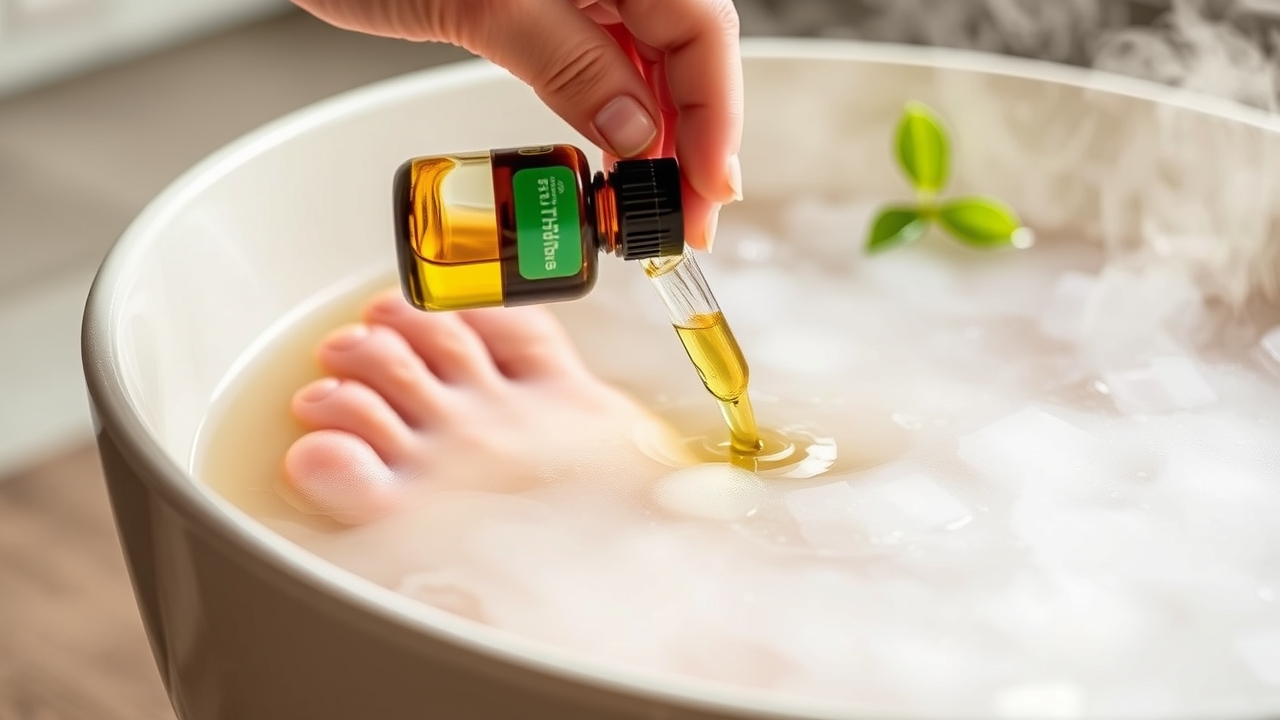
Why a foot soak is a must for home relaxation
Foot care is often overlooked, yet the soles of our feet carry the weight of daily life. A foot soak at home offers a chance to release tension, improve circulation, and create a sensory experience that can reduce stress. The warmth of the water encourages blood flow while the added ingredients provide a pleasant aroma and mild exfoliation.
What you need for a DIY foot soak
- Large, comfortable basin or foot tub that fits your feet comfortably
- Clean, warm water (around 98–104°F or 37–40°C)
- Ingredients of choice: Epsom salt, sea salt, baking soda, essential oils, dried herbs, or a splash of apple cider vinegar
- Soft towels and a small, clean towel for drying
- Optional: a small, handheld massager or a tennis ball for gentle foot massage
Choosing the right water temperature
Water that is too hot can cause discomfort or skin irritation, while water that is too cool may not relieve muscle tension effectively. Aim for a temperature that feels pleasantly warm to the touch—similar to a lukewarm shower. If you have sensitive skin, keep the temperature on the lower end.


Adding soothing ingredients
Each ingredient brings its own benefits. Epsom salt (magnesium sulfate) may help soothe sore muscles and soften calluses. Sea salt offers trace minerals and a natural exfoliating effect. Baking soda can neutralize odors, while essential oils—such as lavender, peppermint, or eucalyptus—add aromatherapy benefits. A splash of apple cider vinegar can help balance pH and provide mild antibacterial properties. Experiment to find the combination that feels best for you.
Step‑by‑step guide on how to do a foot soak at home
Follow these steps to create a simple yet luxurious foot soak experience:
- Gather your supplies. Set out your basin, water, and chosen ingredients. Have a towel nearby for drying and a small towel for a gentle massage.
- Heat the water. Pour warm water into the basin. Test the temperature with your wrist or elbow to ensure it’s comfortable.
- Add your chosen ingredients. For a classic Epsom salt soak, add 1 cup of salt to the water. Stir until dissolved. If you’re using essential oils, add 5–10 drops. For a herbal infusion, place a small tea bag or dried herbs in a muslin pouch and add it to the water.
- Soak your feet. Submerge your feet fully and relax for 15–20 minutes. During this time, you can close your eyes, breathe deeply, and let your mind drift.
- Massage the feet. After soaking, use a small massager or a tennis ball to roll under your arches and heels. This helps stimulate circulation and loosens tight muscles.
- Dry and moisturise. Pat your feet dry with a clean towel. Apply a rich foot cream or natural oil to lock in moisture.
Repeat this routine once or twice a week for ongoing benefits, or as often as needed when you feel extra tension.
Bonnie’s favorite foot soak recipe
Bonnie, a regular at Parisiannila & Massage Spa, swears by her “Citrus & Lavender” soak. She mixes 1 cup of sea salt, 3 drops of lavender essential oil, and a handful of dried lemon peel with warm water. The citrus aroma lifts her mood, while the lavender calms her nerves.
Foot soak benefits explained
While scientific studies on foot soaks are limited, many people report the following benefits. These may help with:
- Reduced foot fatigue and swelling
- Improved skin softness and callus removal
- Enhanced circulation to the lower limbs
- Stress relief through aromatherapy and warm water
- Better sleep when performed before bedtime
Because the feet are a gateway to the body’s nervous system, gentle foot care can create a ripple effect of relaxation that extends beyond the feet.
Common mistakes to avoid
- Using water that’s too hot. This can burn the skin or cause discomfort.
- Leaving the soak for too long. Over‑soaking may lead to skin maceration.
- Not drying the feet properly. Damp skin can become a breeding ground for bacteria.
- Ignoring foot health issues. If you have cuts, infections, or funds, consult a professional before soaking.
Choosing the Right Basin
The foundation of a good foot soak is a basin that fits your feet comfortably. A shallow, wide tub allows easy immersion, while a deeper tub can accommodate a full foot bath. Consider the following when selecting a basin:
- Material. Stainless steel, ceramic, or silicone are all good options. Stainless steel retains heat well, ceramic offers a classic look, and silicone is lightweight and easy to clean.
- Size. Measure your feet from heel to toe and ensure the basin is at least 2–3 inches wider to allow free movement.
- Comfort. If you plan to sit while soaking, look for a basin with a built‑in seat or a footrest that can be placed inside.
Pre‑Soak Foot Care
Preparing your feet before the soak can enhance the experience and results. Follow these simple steps:
- Trim nails. Short, clean nails reduce the risk of bacterial growth.
- Exfoliate lightly. Use a pumice stone or foot file to remove dead skin. This opens the pores for better absorption of salts and oils.
- Cleanse. Wash your feet with mild soap and warm water to remove sweat and dirt.
Customizing Your Soak
Everyone’s feet have unique needs. Below are three customizable recipes that cater to different preferences and concerns.
1. The Rejuvenating Epsom Salt & Lavender Soak
Ingredients:
- 1 cup Epsom salt
- 5 drops lavender essential oil
- 1 teaspoon dried chamomile flowers (optional)
- 1 cup warm water
Benefits: Magnesium absorption, muscle relaxation, and calming aroma.
2. The Invigorating Peppermint & Baking Soda Soak
Ingredients:
- 1 cup sea salt
- 2 tablespoons baking soda
- 5 drops peppermint essential oil
- 1 cup warm water
Benefits: Fresh scent, odor neutralization, and muscle stimulation.
3. The Soothing Apple Cider Vinegar & Eucalyptus Soak
Ingredients:
- 1 cup Epsom salt
- 1 tablespoon apple cider vinegar
- 3 drops eucalyptus essential oil
- 1 cup warm water
Benefits: Antibacterial properties, circulation boost, and eucalyptus decongestion.
Safety Tips & When to Skip
- Diabetes and circulation issues. People with diabetes or poor circulation should avoid soaking in hot water and should consult a doctor before starting.
- Open wounds. Do not soak open cuts or blisters; treat them with antiseptic and cover before soaking.
- Skin conditions. Conditions like eczema or psoriasis may flare up with salt or vinegar; test a small area first.
- Pregnancy. Warm water is generally safe, but keep the temperature moderate and avoid prolonged soaking.
Foot Soak for Athletes & Travelers
Running, hiking, or long flights can leave your feet sore and swollen. A targeted foot soak can accelerate recovery:
- Post‑run soak. Add 1 cup of sea salt and 5 drops of peppermint oil to help reduce inflammation.
- Travel soak. Use 1 cup of Epsom salt and a few drops of eucalyptus to counteract cabin dryness and improve circulation.
- Recovery soak. Combine 1 cup of Epsom salt, 1 tablespoon of honey, and 5 drops of rosemary oil for antioxidant support.
Post‑Soak Foot Care
After soaking, the skin is soft and receptive. Apply these steps to maximize benefits:
- Dry thoroughly. Use a clean towel to pat dry, especially between toes.
- Massage. Use a foot roller or your hands to work out any remaining tension.
- Moisturise. Apply a thick foot cream or natural oil (like coconut or almond) while the skin is still damp to lock in hydration.
- Protect. Wear cotton socks to keep moisture in and prevent slipping.
FAQs about foot soaks
How to do a foot soak at home? Start by filling a basin with warm water, add your preferred ingredients, soak for 15–20 minutes, massage, dry, and moisturise. Epsom salt is a popular choice for its soothing properties.
Can I use tap water for a foot soak? Yes, but if your tap water is heavily chlorinated or hard, consider using filtered or bottled water to avoid skin irritation.
How often should I do a foot soak at home? Once or twice a week is typically sufficient for most people. Those with chronic foot pain or swelling may benefit from more frequent sessions, but always listen to your body.
What ingredients are best for a relaxing foot soak? Epsom salt, sea salt, lavender essential oil, and gentle herbs like chamomile or mint are excellent for relaxation. Baking soda can also help neutralise foot odor.
Is a foot soak safe for people with diabetes? Individuals with diabetes should consult a healthcare professional before soaking, as they may have reduced sensation or circulation issues.
Can I add essential oils to a foot soak? Yes, but use only 5–10 drops. Some oils may cause skin irritation if used in excess; always perform a patch test first.
What if my feet feel itchy after soaking? This can be a sign of irritation. Rinse with cool water, pat dry, and apply a gentle moisturizer. If itching persists, stop using the ingredient that caused it.
Should I soak my feet with a foot massager? A foot massager or tennis ball can enhance circulation, but use it gently to avoid bruising.
How do I store leftover soak ingredients? Keep salts and dried herbs in airtight containers. Essential oils should be stored in dark glass bottles away from heat.
Leave a Reply