Callus removal at home is a practical and gentle approach to keeping your feet feeling soft and healthy. When you treat calluses with care, you not only improve appearance but also reduce discomfort that can arise from pressure and friction.
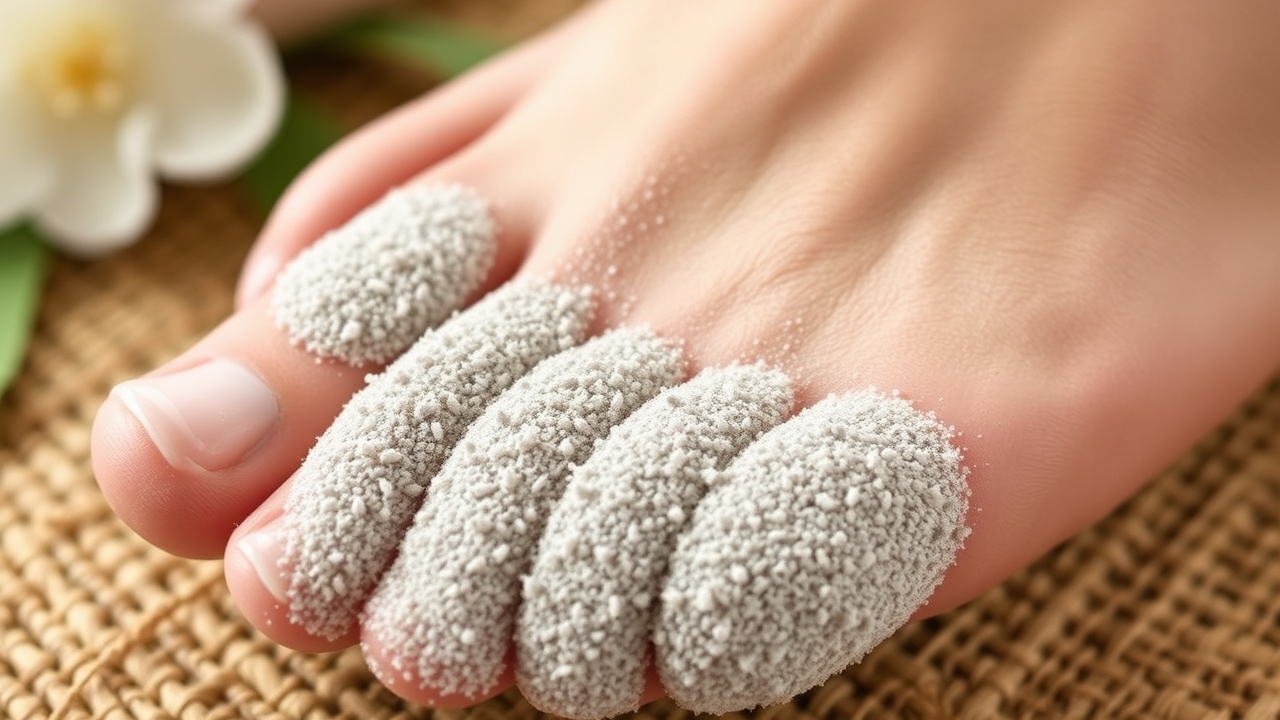
Understanding Calluses
Calluses are thickened patches of skin that form when the body responds to repeated pressure or irritation. They are usually found on the heels, balls of the feet, or toes, and while they are a natural protective mechanism, they can become uncomfortable if left unchecked. According to the Wikipedia article on callus, these areas may tear the capillaries or surrounding tissue if they become too hard or inflamed. Knowing what a callus is helps you take the right steps to Ping and manage them safely.
The Science Behind Callus Formation
When you walk or run, your feet absorb a lot of impact. The skin reacts by producing extra keratinocytes—cells that make up the outer layer—to create a protective barrier. Over time, if the pressure continues, the skin layers thicken and harden, forming a callus. This process is similar to how calluses form on hands after repetitive manual work. Understanding this helps you realize that the solution is to reduce pressure and gently soften the hardened skin.


Why Callus Removal at Home Works
Removing calluses at home offers several advantages: you can work at your own pace, use gentle, natural methods, and avoid the risk of over‑aggressive treatments that might cause skin damage. Home care also allows you to integrate foot care into a broader wellness routine, pairing moisturizing, stretching, and self‑massage for overall foot health. Because the process is slow and controlled, you minimize the chance of sudden pain or infection.
Choosing the Right Tools for Home Callus Care
Not all tools are created equal. Below are the most effective options and how to use them safely:
- Pumice Stone: A natural stone with a rough surface. Ideal for everyday use; keep it clean and replace it every 6–8 weeks.
- Foot File (Electric or Manual): Offers more precision, especially for stubborn calluses. Use a gentle, back‑to‑front motion.
- Epsom Salt or Magnesium Sulfate Bath: Helps soften the skin before filing.
- Moisturizing Creams: Look for shea butter, urea, or glycerin to lock in hydration.
Step‑by‑Step Guide to Callus Removal at Home
Follow this simple routine to reduce callus thickness and keep your feet smooth:
- Soak your feet: Fill a basin with warm water and add a few drops of mild soap. Let your feet soak for 10–15 minutes to soften the skin.
- Exfoliate gently: Use a pumice stone or foot file to lightly rub the callused area in a circular motion. Apply minimal pressure to avoid tearing the skin.
- Moisturize: Pat the feet dry and apply a thick, fragrance‑free moisturizer or natural oil (such as coconut or almond oil). This helps keep the skin supple.
- Protect: Wear comfortable, breathable footwear or no shoes for a day to give your feet a break from tight pressure.
- Repeat consistently: Perform this routine 2–3 times per week. Over time, the callus will gradually soften and thin.
After you finish your routine, you might want to unwind at our spa. Our spa offers a range of treatments that complement foot care, helping you relax and maintain overall wellness.
Advanced Techniques for Persistent Calluses
If your calluses are thick or stubborn, consider these additional steps—always proceed with caution and never go beyond what feels comfortable.
- Warm Epsom Salt Soak: Add 1 cup of Epsom salt to a basin of warm water. Soak for 20 minutes to help dissolve calcium deposits.
- Use a Soft Rubber File: For very hard calluses, a rubber file can provide gentle abrasion without cutting the skin.
- Apply a Callus‑Softening Cream: Creams containing salicylic acid or urea (1–2%) can be applied overnight to break down thickened skin.
- Follow Up with a Protective Bandage: After filing, wrap the area with a sterile gauze to keep it clean and prevent friction.
Remove Calluses Feet: Common Areas and Practical Tips
Here’s how to target the most common callus locations with tailored techniques:
- Heels: Use a thicker pumice stone and apply gentle, back‑and‑forth strokes. If the heel callus is stubborn, soak the foot in warm Epsom salt water for 15 minutes before filing.
- Ball of foot: Focus on the area just behind the toes; use a foot file with a finer grit. For people who wear high‑heels, a silicone heel pad can reduce pressure and prevent new callus formation.
- Toes: Be especially cautious around the nails; avoid excessive pressure that could damage the nail bed. A soft rubber toe separator can help distribute weight evenly during the filing process.
Callus Care Routine: Daily Maintenance
Incorporating a daily callus care routine keeps the skin from re‑hardening. After each shower, pat the feet dry and apply a small amount of natural oil. If you notice any new thickening, repeat the exfoliation step lightly. This ongoing care helps maintain smooth feet and reduces the need for more extensive home removal sessions.
Foot Callus Tips: Natural Remedies
Natural remedies can enhance the softening process without harsh chemicals. Try these simple steps:
- Apple cider vinegar soak: Mix one part vinegar with two parts warm water. Soak for 15 minutes to help break down hard skin.
- Baking soda scrub: Create a paste with baking soda and water, then rub gently over the callus.
- Honey compress: Honey has natural antibacterial properties; apply a thin layer and cover with a bandage overnight.
Remember to test a small area first to ensure you have no allergic reaction to any ingredient.
Preventing Callus Formation: Footwear and Lifestyle Tips
Prevention is often easier than treatment. Here are actionable tips to keep your feet callus‑free:
- Choose the right shoes: Opt for shoes with a wide toe box, good arch support, and cushioned soles. Avoid high heels and tight‑fitting shoes for extended periods.
- Use orthotic inserts: Custom or over‑the‑counter insoles can redistribute pressure and reduce hotspots.
- Maintain a healthy weight: Excess weight increases pressure on the feet, accelerating callus development.
- Exercise regularly: Strengthening foot muscles improves balance and reduces strain on specific areas.
- Replace worn footwear: Shoes that have lost cushioning or have worn‑out soles are more likely to cause calluses.
Smooth Feet: Final Polishing and Protection
Once the callus has softened, give your feet a final polish. Use a soft cloth to buff the skin gently, then apply a protective foot cream that contains ingredients like shea butter or vitamin E. This barrier keeps moisture in and reduces friction from shoes.
When to Seek Professional Help
Although callus removal at home is generally safe, certain situations warrant a professional’s attention. If you have diabetes, poor circulation, or notice signs of infection—such as redness, swelling, or a foul odor—stop at‑home treatment and consult a healthcare provider. A podiatrist can safely trim or treat the callus with specialized tools and prescribe appropriate care.
FAQ
- What is callus removal at home and how does it work? Callus removal at home involves gentle exfoliation, soaking, and moisturizing to soften thickened skin. By repeatedly softening the callus, the body can naturally shed the outer layer over time.
- How often should I perform callus removal at home? Most people find twice to thr
Leave a Reply