Winter hand and foot care is essential during the cold months to protect your skin and nails from the harsh winter dryness.
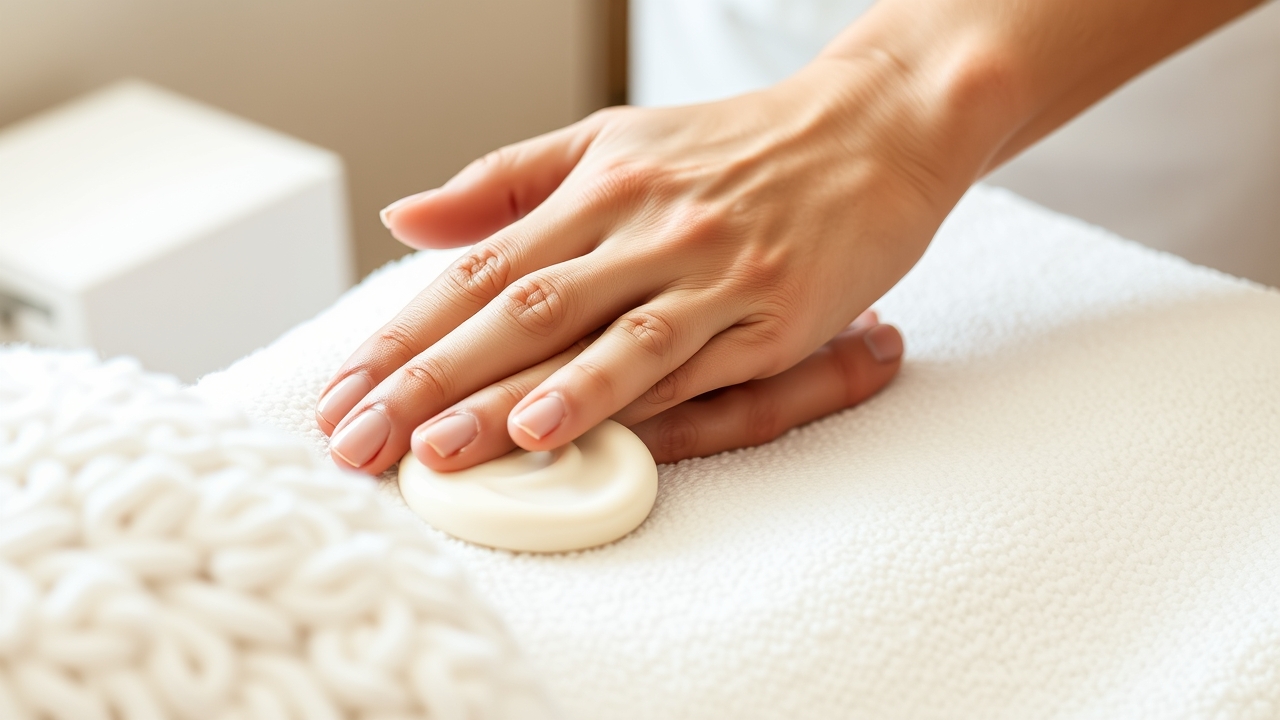
Winter Hand and Foot Care: A Comprehensive Guide
When the temperature drops, the air becomes dry, and indoor heating further strips moisture from the skin. Your hands and feet are especially vulnerable because they are exposed to wind, cold surfaces, and frequent washing. A thoughtful routine can keep them supple, prevent cracking, and even improve circulation.
Why Winter Dryness Happens
- Low humidity: Outdoor air holds less moisture, and heating systems reduce indoor humidity.
- Frequent washing: Hand soap and hot showers remove natural oils.
- Harsh surfaces: Walking on cold stone or concrete can irritate the skin.
- Reduced oil production: The skin’s sebaceous glands slow down during winter.
Core Principles of Winter Hand and Foot Care
1. Hydration: Keep skin moisturized with thick creams or oils.


2. Protection: Use gloves, socks, and proper footwear.
3. Exfoliation: Remove dead cells gently to improve absorption.
4. Massage: Stimulate circulation and promote lymphatic drainage.
Understanding Your Skin’s Needs
Winter skin behaves differently than summer skin. The epidermis thickens as a natural defense, but it also becomes more prone to micro‑cracks. Knowing the texture of your skin—whether it’s oily, dry, or combination—helps you choose the right products. For example, someone with very dry skin may benefit from a heavier ointment, while someone with oily skin might prefer a lighter lotion that still contains humectants.
The Role of Humidity and Temperature
Indoor heating can reduce relative humidity from 40–50% to as low as 20–30%. This rapid drop forces water out of the skin’s outer layer. Using a humidifier in the bedroom or living area is a simple way to add moisture back into the air, thereby reducing the need for heavy topical creams.
Choosing the Right Products
When shopping for hand and foot creams, look for the following ingredients:
- Occlusives: Petrolatum, beeswax, and dimethicone create a barrier that locks in moisture.
- Humectants: Glycerin, hyaluronic acid, and urea draw water into the skin.
- Emollients: Shea butter, cocoa butter, and almond oil soften and smooth the skin.
- Soothing agents: Aloe vera, chamomile, and calendula reduce inflammation.
For hands, fragrance‑free formulas are preferable to avoid irritation. For feet, a richer ointment or a balm with a slightly higher percentage of occlusive ingredients is recommended.
Daily Hand Routine Expanded
Morning:
- Wash with lukewarm water and a gentle, fragrance‑free cleanser.
- Pat dry with a soft towel—avoid rubbing, which can create friction.
- Apply a hand cream that contains glycerin or shea butter; massage in circular motions.
- Seal in moisture by wearing cotton gloves for 10–15 minutes; this is especially useful after applying a thick ointment.
Mid‑day (if you’re frequently in contact with water or harsh detergents):
- Reapply a lightweight hand lotion to prevent the skin from drying out.
- Use a protective barrier cream before activities that involve water or cleaning.
Evening:
- Repeat the morning washing routine.
- Use a heavier ointment or a hand balm with a higher occlusive content.
- Consider a short hand massage with a nourishing oil (e.g., jojoba or argan) to stimulate circulation.
- Finish with cotton gloves or a thick cotton hand wrap to lock in the treatment overnight.
Nighttime Foot Routine Expanded
After a long day, treat your feet with care:
- Soak: Fill a basin with warm water (not hot) and add a few drops of essential oil—lavender for relaxation or peppermint for a cooling effect.
- Exfoliate: Use a pumice stone or a foot file; apply gentle pressure in a circular motion, focusing on callused heels and thickened soles.
- Moisturize: Apply a thick foot cream or ointment, ensuring coverage on heels, balls, and toes.
- Seal: Slip on a pair of clean cotton socks; the socks act as a thermal blanket, allowing the cream to penetrate deeply.
- Rest: Let the socks stay on overnight; in the morning, remove them and rinse off any excess cream.
Developing a Winter Spa Routine at Home
Creating a spa-like experience at home can elevate your self‑care routine. Here’s a step‑by‑step guide:
- Set the ambiance: Dim the lights, light a scented candle (eucalyptus or pine), and play soft instrumental music.
- Foot scrub: Mix sugar, sea salt, and a tablespoon of coconut oil; massage onto feet for 5 minutes.
- Hand massage: Warm a small amount of almond oil between your palms, then massage into the hands, focusing on knuckles and the webbing between fingers.
- Relaxation: After applying creams, sit with your feet elevated on a pillow and close your eyes for 10 minutes.
- Optional add‑on: Use a warm compress on the hands for 5 minutes to open pores before the final cream application.
Advanced Techniques: Filtration, Lymphatic Drainage, and More
For those who want to go beyond the basics, consider these techniques:
- Filtration: Use a water filter or add a drop of vitamin E oil to your foot soak to reduce chlorine and other irritants.
- Lymphatic drainage massage: Gently tap and knead the feet and hands in a downward motion toward the heart; this helps reduce puffiness.
- Foot reflexology: Apply light pressure to specific points on the soles that correspond to internal organs; it can help improve overall circulation.
Seasonal Adjustments: Transitioning to Spring
As temperatures rise, the skin’s needs shift. Reduce the frequency of heavy ointments, switch to lighter lotions, and increase exposure to natural light to boost vitamin D production, which supports healthy skin.
Common Myths Debunked
- Myth: Hot showers are better for moisturizing. Fact: Hot water actually strips natural oils; lukewarm water is best.
- Myth: Thick creams are always better. Fact: Over‑heavy products can clog pores; choose the right consistency for the area.
- Myth: You don’t need to moisturize after a foot soak. Fact: The soak opens pores; applying a cream locks in the moisture.
- Myth: Gloves are only for cold weather. Fact: Gloves protect against wind, UV, and chemical exposure during all seasons.
Frequently Asked Questions
- What is winter hand and foot care? It refers to the practices and products used to protect and hydrate the skin of your hands and feet during the cold season.
- How often should I moisturize my hands? After washing and before bed; aim for at least twice a day.
- Can I use the same cream for both hands and feet? While many creams work for both, feet often need thicker, more occlusive formulas.
- Is a foot soak necessary? It’s a great way to soften skin and relax, but it’s optional.
- Should I use gloves when hiking in winter? Yes—warm, breathable gloves protect against wind and allow moisture to stay on your skin.
- When should I stop using a heavy ointment? When your skin feels supple and no longer shows signs of dryness or cracking.
- How can I tell if my feet are too dry? Look for rough patches, fissures, or a tight, itchy sensation after washing.
- Do I need to exfoliate every day? No—exfoliate 1–2 times a week to avoid over‑scrubbing.
- Can I use a regular moisturizer on my nails? Use a cuticle oil or a nail cream specifically formulated for nails.
- What should I do if my hands crack despite care? Apply a thick ointment, cover with a bandage, and consult a dermatologist if cracks persist.
When to Seek Professional Help
While most winter dryness can be managed at home, certain conditions—such as eczema flare‑ups, severe cracking, or fungal infections—may require medical attention. A licensed dermatologist or a licensed massage therapist can provide specialized treatments. If you notice persistent redness, swelling, or pain, it’s best to seek professional advice.
Integrating Massage for Better Circulation
Massage not only feels good but also stimulates blood flow. Use a gentle upward motion on the hands and feet, applying light pressure. This encourages lymphatic drainage and helps the skin absorb moisturizers more effectively. A simple routine: start at the toes, roll the ball of your foot toward the heel, then massage the arch and calves. For hands, begin at the fingertips, work toward the wrist, and finish with a gentle wrist roll.
Conclusion
Consistent care is the key to keeping your hands and feet soft, healthy, and protected throughout the winter months. By understanding your skin’s needs, choosing the right products, and following a structured routine, you can prevent the painful cracks and dryness that often accompany cold weather. Remember to stay hydrated, protect your skin from harsh elements, and treat yourself to a relaxing spa routine at home.
For a deeper understanding of how skin works, you might consult this detailed page on skin biology.
If you’d like to experience a full spa treatment, you can explore our spa services for a relaxing and restorative experience.
Leave a Reply